Kayaking the Sjoa River
Norway's best-known whitewater river: glacial-fed summer flows, world-class Class III–IV, and slides and drops that fill kayaking films. Here's how to plan a Sjoa trip from the US.
What the Sjoa is like
Ask a European paddler to name one Norwegian river and they'll say the Sjoa (pronounced roughly “Shoo-ar”). It's Norway's best-known whitewater river, fed by snowmelt and glacial water through the summer, running through the historic Gudbrandsdalen region between high national parks. The character is classic Scandinavian: cold, clear, pool-drop water over clean granite, with open terrain that lets you see, scout and lap rapids rather than commit blind.
What makes the region special is the range within an hour or two's drive. The Sjoa itself serves everything from friendly training sections to the famed Åmot Canyon, while surrounding valleys hold technical mountain streams, big-volume wave trains and some of the world's finest slides, drops and waterfalls — the Ula, the Lora, the Jori and the Rauma among them. It has been Gene17's summer home for over a decade, and the coaches paddle these same rivers on their days off.
Grades and water type
The honest headline: Norway has more high-quality Class III and IV intermediate water than almost anywhere else, and that's what most visiting paddlers should come for. Gene17's Progressive & Dynamic week works in that Class III–IV band. For advanced boaters, the region steps up to genuine Class IV–V creeking — bedrock slides, clean waterfalls and committing canyons — covered on the Sjoa Creeking trip and the Valldal Road Trip. Water is glacial-fed and cold all season; a drytop or drysuit is standard kit.
Best season
Norwegian whitewater is a summer season. Snowmelt and glacial flows keep the rivers running reliably from roughly June to late August — Gene17's departures sit in that window, from mid-June creeking weeks through August skills trips. The long northern daylight is a genuine bonus: evenings stay light late into the night in midsummer, so there's never a feeling of racing the dark.
Who it suits
The Sjoa region rewards two kinds of paddler. Solid intermediates — comfortable on Class III with a reliable roll — get a low-consequence, high-quality arena to push into Class IV. And experienced Class IV boaters get the steep stuff: a coached route into the slides, drops and waterfalls Norway is famous for, starting inside your comfort zone and stepping up progressively. If you're still consolidating fundamentals, the Soča in Slovenia is the smarter first trip — or ease in with the two-day Sjoa River Skills Weekend before a full week.
Gene17 trips on the Sjoa and beyond
Four ways into Norwegian whitewater, all coached in English with a maximum of six paddlers per group.
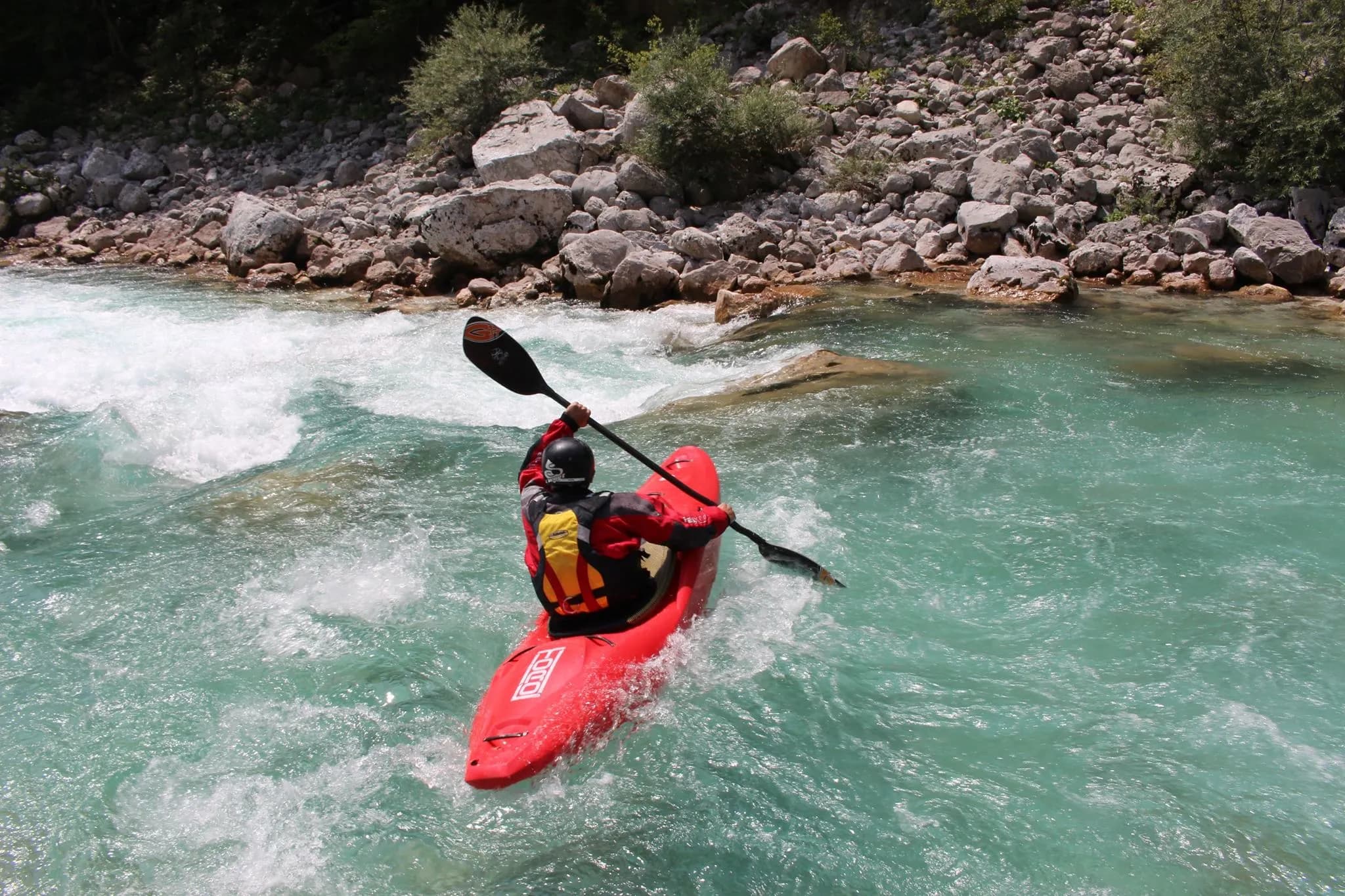
Sjoa River Skills Weekend
Two coached days on the Sjoa — ferry glides, boofs and river-reading on warm summer water. An ideal warm-up before a full trip week.
View trip →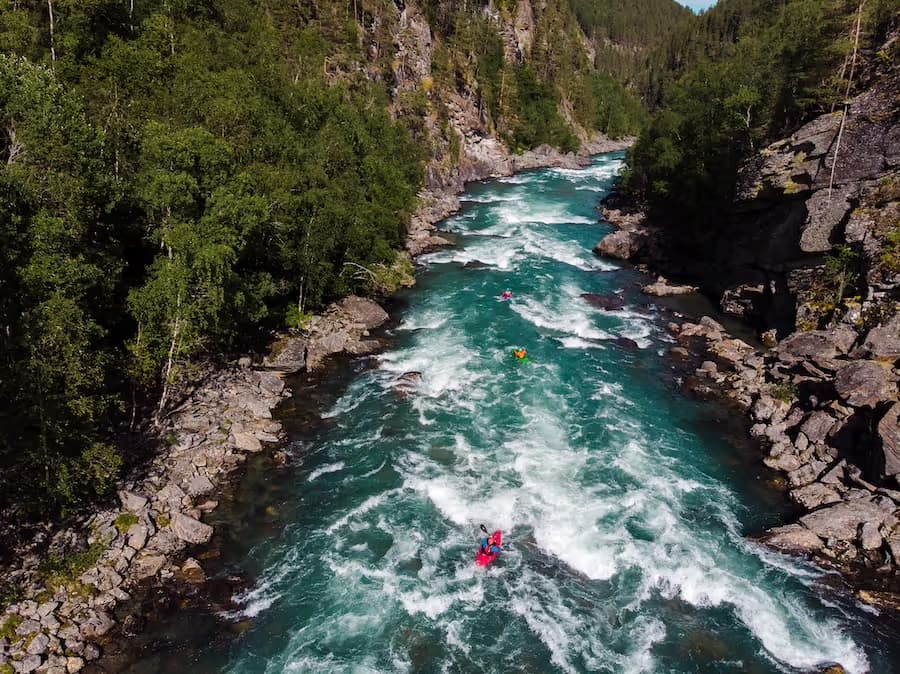
Progressive & Dynamic
Individually tailored challenges in a low-consequence environment — big-volume technique, creeking skills and river-running from the Sjoa base.
View trip →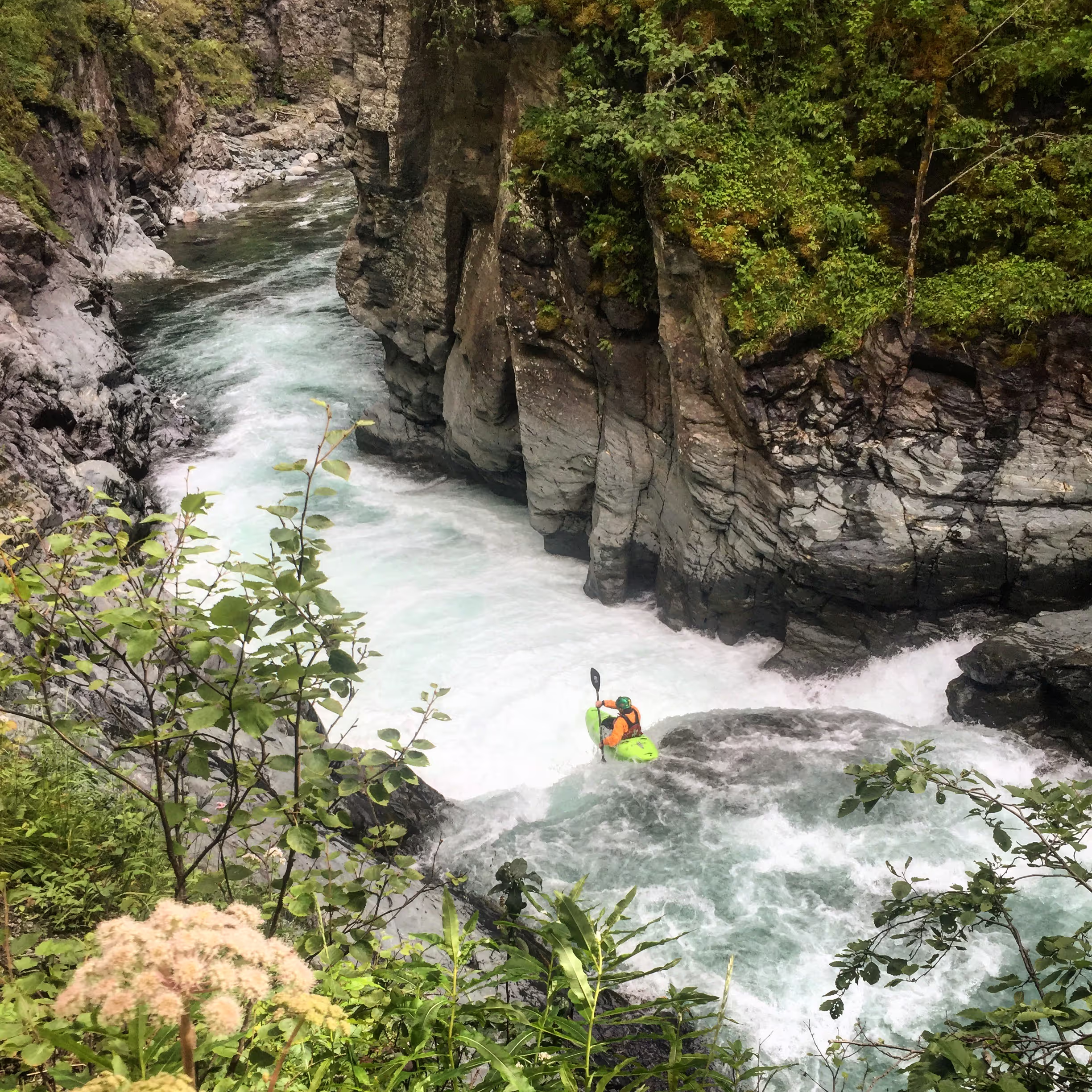
Sjoa Creeking
Slides, drops and waterfalls for ambitious creek boaters — from the Åmot Canyon to the Upper Rauma and the committing Finna Canyon.
View trip →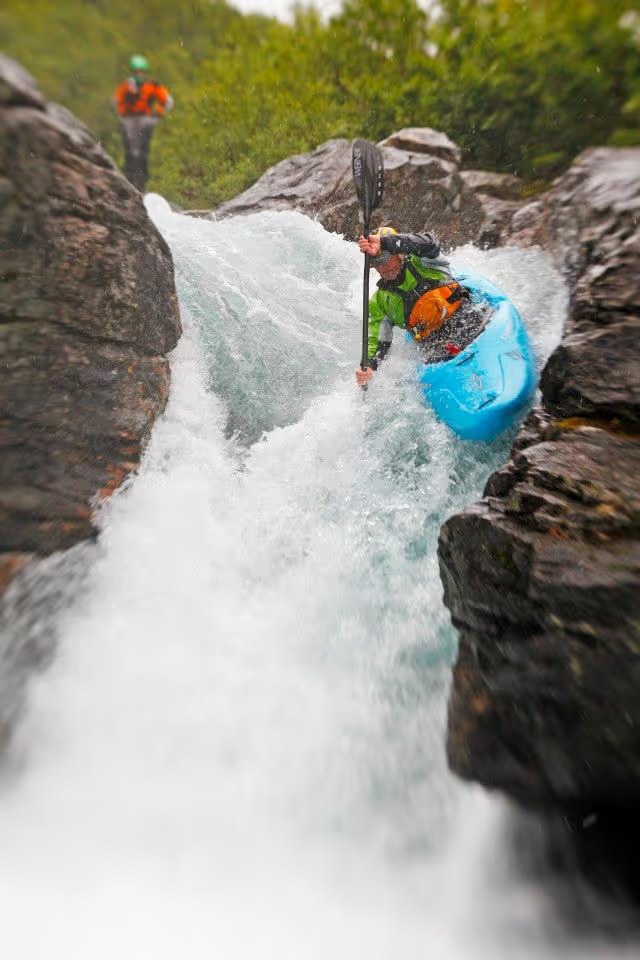
Valldal Road Trip
The ultimate whitewater tour — the Rauma, the Valldøla and the Myklebustelva, threading beneath the Troll Wall and over the Trollstigen.
View trip →Coming from the US
Oslo (OSL) is the gateway, with direct flights from several US cities and wide one-stop coverage. From Oslo, head north toward Gudbrandsdalen — around 3.5–4.5 hours by car or train. For the Valldal Road Trip on the west coast, Ålesund is the closest airport. Norway is famously card-friendly; you can get through a whole trip without touching cash, but note the currency is the Norwegian krone, not the euro.
Nearest airports
Oslo (OSL) for the Sjoa; Ålesund for Valldal
Transfer
Around 3.5–4.5 hours by car or train toward Gudbrandsdalen
Currency
Norwegian krone (NOK) — cards accepted almost everywhere
Plugs
Type C/F, 230V — bring a US-to-EU adapter
Language on trip
All coaching in English
Entry
Valid passport; no visa under 90 days (Schengen). ETIAS is being phased in — check before travel
Sjoa River FAQs
How do I get to the Sjoa from the US?
Do I need a visa for Norway?
How hard is the Sjoa River?
Is the water cold? What should I bring?
When is the kayaking season in Norway?
Are the trips run in English?
Your Norwegian
summer awaits
Glacial water, endless daylight and coaches who run these rivers on their days off. Pick your level and go.